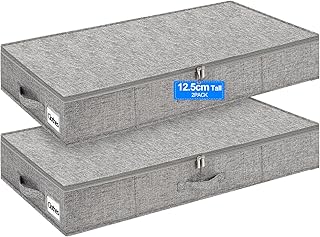
best practices for cleaning and maintaining your storage boxes
Storage boxes are an essential part of keeping our homes organised and clutter-free. They provide a reliable solution for storing everything from seasonal clothing to important documents. However, without proper cleaning and maintenance, these boxes can become dusty and damaged, leading to compromised contents. Here are some best practices to help you keep your storage boxes in excellent condition.
Regular Cleaning Schedule
Establishing a regular cleaning schedule is vital for maintaining your storage boxes. Aim to clean them at least twice a year, ideally during spring cleaning and autumn decluttering. Use a soft, dry cloth to wipe down the exterior of the boxes to remove dust and dirt. If the boxes are particularly dirty, a damp cloth with mild soap can be used, but ensure they are thoroughly dried afterwards to prevent moisture damage.
Choosing the Right Materials
The material of your storage box plays a significant role in its upkeep. Cardboard boxes are prone to moisture and pests, while plastic and metal boxes tend to be more durable. For long-term storage, opt for plastic boxes with airtight lids, as these protect against dust and moisture. Always check for any signs of damage or wear, and replace boxes that show significant signs of deterioration.
People Also Look For:
- StorageWorks Large Storage Boxes for Organising, Foldable Storage Baskets for Shelves, Fabric Storage Boxes with Handles, Decorati...
- SOFTILLO Pack of 2 Decorative Storage Boxes With Lids Home Office Bedroom Wardrobe Box Organiser Archive Box with Lid Multi-Use Ge...
- OHS Pack of 4 Matte Velvet Cube Storage Boxes Home Organiser Toys Clothing Bathroom Pop Up Foldable Collapsible Storage Boxes Spac...
- Kurtzy Shoe Storage Boxes (10 Pack) - Stackable Storage Boxes for Shoe/Trainer Storage - Plastic Shoe Organiser Box Set for Men/Wo...
- Khanary Clear Plastic Storage Boxes with Lids Clip Locking Compact Stackable Versatile Under bed Optimization Boxes Home Office Ga...
Proper Organisation
Organising the contents of your storage boxes not only helps you locate items quickly but also keeps the boxes in better condition. Use labels to clearly identify the contents of each box. Avoid overfilling boxes, as this can cause them to lose their shape or even collapse. Instead, distribute items evenly across multiple boxes to maintain structure and integrity.
Handling with Care
When moving storage boxes, handle them with care to prevent damage. Always lift from the bottom rather than the sides, as this protects the structure of the box. If a box feels heavy, consider dividing the contents into smaller boxes to make transport easier. This approach reduces the risk of tearing or crushing your boxes.
Protecting Against Pests
Pests can pose a significant threat to your storage boxes, particularly if they are made from organic materials. To safeguard against pests, store your boxes in a cool, dry location, as these are less hospitable to insects. Consider placing natural deterrents such as cedar blocks or lavender sachets inside the boxes to deter moths and other pests. Regularly inspect your boxes for signs of infestation and take immediate action if you notice any problems.
Seasonal Care Tips
When changing seasons, take the opportunity to assess your storage boxes. For instance, before storing winter clothing, ensure everything is clean and free of stains, as these can attract pests. For summer storage, consider using breathable fabric storage bags for delicate items. Always ensure that the boxes are sealed properly to keep out dust and moisture.
Using Protective Liners
For added protection, consider using liners inside your storage boxes. These can be made from acid-free tissue paper or fabric to cushion delicate items. Liners can also help absorb any excess moisture, providing an extra layer of security for your belongings. Replace liners regularly to maintain their effectiveness.
Documenting Contents
In addition to labelling boxes, consider keeping an inventory of what each box contains. This can be as simple as a spreadsheet or a handwritten list. This documentation will save you time when searching for items and can help you keep track of what you have stored away. Make sure to update the inventory whenever you add or remove items from the boxes.